
How to Perform an HVAC Hard Reset After a Power Outage
A hard reset on an HVAC system after a power outage feels like it should be simple—flip a switch, press a button, maybe mutter a few choice words under your breath—but anyone who’s lived through a sudden blackout in Niles, OH, knows your heating and cooling system doesn’t always bounce back gracefully.
When the grid snaps off and back on again, HVAC equipment can get stuck mid‑cycle, confused, or locked out. A proper hard reset clears that confusion, protects your system, and often saves you from an unnecessary service call. Once you understand the rhythm of it, you’ll feel like the calm in the chaos.
Wm. Price Heating and Cooling created this HVAC‑specific reset guide to help you bring your comfort system back online without frustration.
Why HVAC Systems Get Confused After a Power Outage
HVAC systems rely on stable voltage to keep internal processors, sensors, and safety controls running smoothly. When the power drops suddenly:
- The control board may freeze mid‑command
- The compressor may stop under high pressure
- The thermostat may lose communication
- Safety features may trigger a lockout to protect the system
A hard reset forces the system to dump corrupted temporary data, discharge internal components, and reboot cleanly.
What an HVAC Hard Reset Actually Is
A hard reset is a full power cycle of your HVAC system:
- Cut power completely.
- Wait long enough for internal components to discharge.
- Restore power so the system boots cleanly.
This is different from a soft reset (like restarting your thermostat). A hard reset wipes the slate instead of nudging the system.
How to Perform an HVAC Hard Reset After a Power Outage
1. Power down the HVAC system
Turn off your system at the thermostat. Then locate the HVAC disconnect switch near your outdoor unit or furnace and flip it OFF. This ensures that no lingering voltage keeps the control board partially active.
2. Shut off the HVAC breaker
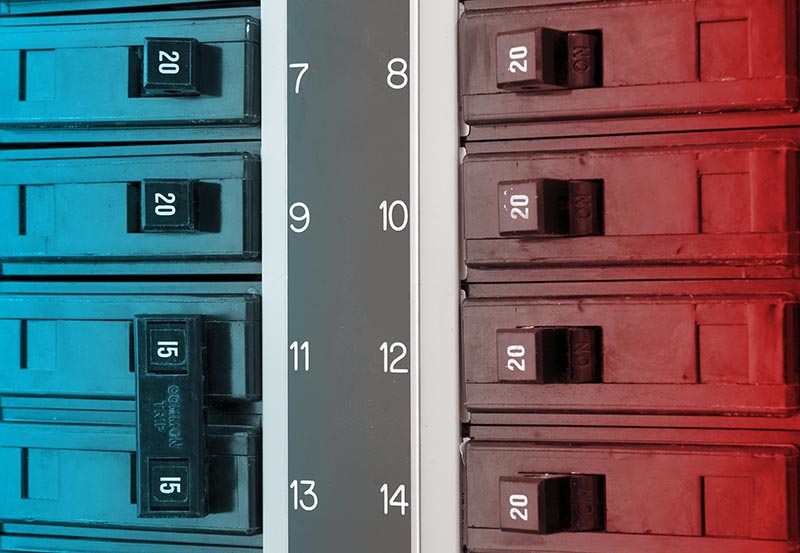
Go to your electrical panel—usually in the garage, utility room, or closet. Find the breaker labeled HVAC, AC, Furnace, or Air Handler and push it firmly to OFF.
3. Wait 3–5 minutes
HVAC systems need time for capacitors to discharge, compressors to equalize pressure, and control boards to fully power down. A full 3–5 minutes is ideal.
4. Restore power
Flip the HVAC breaker back ON and turn the disconnect switch back ON. Give the system 1–3 minutes to reinitialize. Then, head over to your thermostat and set your system to COOL or HEAT.
5. Check for normal operation
Look for:
- Steady thermostat display
- Outdoor unit running smoothly
- Normal airflow
- Cool or warm air within a few minutes
- No clicking, humming, or rapid cycling
If something still seems off, repeat the reset once more before calling Wm. Price Heating and Cooling for an HVAC system evaluation.
Convenience Upgrades That Make Storm Season Less Stressful
Power outages around Mahoning Valley are unpredictable—but your HVAC system doesn’t have to be. Two upgrades can make your home far more resilient when storms rage.
Smart Thermostats
Smart thermostats do more than adjust temperature. They monitor system health and send alerts when something goes wrong. During storms or outages, they can:
- Notify you if your HVAC fails to restart
- Alert you to unusual temperature swings
- Track power interruptions
- Help prevent frozen pipes or overheated homes
- Allow remote resets or mode changes
- Communicate with your HVAC provider
If you travel often or own rental property, this upgrade adds peace of mind.
HVAC Surge Protectors
HVAC surge protectors shield your system from voltage spikes when the grid snaps off and back on. They protect sensitive components, such as control boards, compressors, thermostat wiring, and fan motors.
A surge protector is inexpensive compared to replacing a fried control board or compressor.
When a Hard Reset Doesn’t Fix the Problem
A power outage can cause deeper issues, including:
- Damaged capacitors
- Burned control boards
- Compressor lockouts
- Repeated breaker trips
- Thermostats that won’t reconnect
If you notice burning smells, loud buzzing, or the system won’t power on at all, stop resetting and call a professional. A hard reset is powerful, but it’s not magic.
HVAC Hard Reset FAQs
How often should I perform a hard reset?
A hard reset shouldn’t be part of your weekly routine. It’s mainly for power outages, brownouts, or when your system becomes unresponsive. If you find yourself resetting more than once every few months, that’s a sign your HVAC system needs professional diagnosis.
Can a hard reset damage my HVAC system?
No. When done correctly, a hard reset is safe. It simply clears temporary data and allows the system to reboot. What can cause damage is repeated power cycling during unstable grid conditions, which is why surge protection is so valuable.
Should I reset my thermostat too?
Sometimes. If your thermostat lost communication or shows a blank screen, a thermostat reboot or battery replacement may be needed. But the HVAC hard reset alone often restores communication.
Do smart thermostats help during outages?
Yes. Smart thermostats can alert you when your system fails to restart, track temperature drops or spikes, and help prevent damage while you’re away. They’re especially helpful for second homes, rentals, or frequent travelers.
When should I call a professional instead of resetting again?
If you smell burning, hear loud buzzing, see repeated breaker trips, or the system won’t power on at all, stop resetting. These symptoms point to deeper electrical or mechanical issues that require a professional HVAC technician.
Need Help? Call the Niles, OH, HVAC Experts
Contact Wm. Price Heating and Cooling at 330.545.3722 or request service online for an HVAC inspection and repair in Niles, OH, or the surrounding communities of Niles, OH.