
Why Is My Heat Pump Smoking?
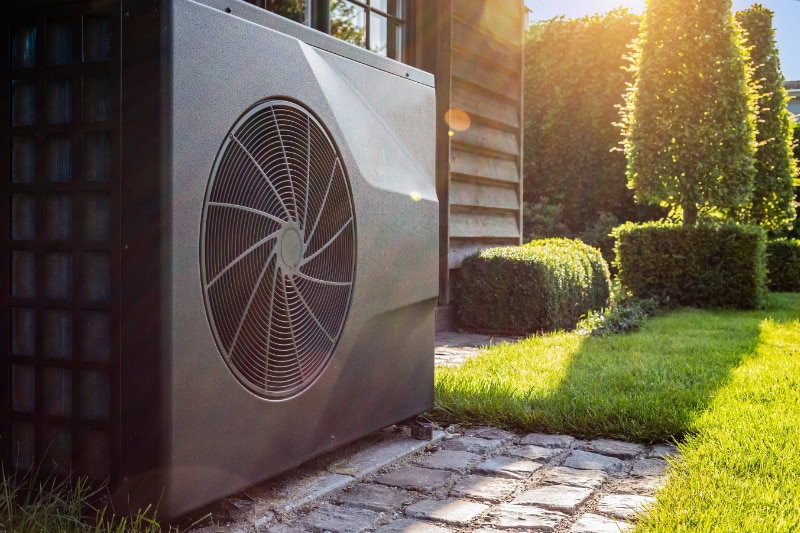
A cloud of white, odorless “smoke” billowing from your outdoor heat pump on a cold, wet Ohio day is not smoke at all. It is steam and it is a good indication your heat pump is operating properly, it is not a red flag.
Seeing steam means your heat pump’s defrost cycle is working, and there is no need to panic. As your heat pump defrosts, melting ice off the outdoor coil, it produces steam that can easily be mistaken for smoke.
At Wm Price Heating Co, we understand how alarming the steam may appear. We reassure homeowners in Youngstown, every year that it is a harmless product of the defrost cycle.
Heat Pump Steam Versus Smoke
We also urge our customers to learn the difference between heat pump steam and smoke.
- Steam is white, wispy, and dissipates quickly. You typically see the steam for five to 15 minutes while your heat pump defrosts.
- Smoke is gray or black, thick and lingering. It can have a chemical odor or can smell like burning rubber or plastic. Smoke persists and continues to emanate from the equipment even if you shut the power off.
If you see dark smoke or smell a burning odor, shut off the unit’s power at the electrical panel and call the fire department to make sure if there is a fire, it is contained and put out. Most likely they will instruct you to call an HVAC company once they verify there is no longer any danger. Our Wm Price Heating Co experts are on call for emergency service. The smoke may indicate an electrical short or a failing motor that may pose a fire hazard.
Now that you know the difference between heat pump steam and smoke, take a moment to learn why your heat pump needs to defrost in the winter and what happens if it doesn’t.
Why Heat Pumps Defrost in the Winter
Heat pumps work by extracting heat energy from the outdoor air and transferring it to the refrigerant which carriers the heat and puts it into your Mahoning County home. The refrigerant flowing through the outdoor coil must be colder than the outside air for the heat transfer process to work. When the outdoor temperature is cold and the humidity is high, the moisture in the air condenses and freezes onto the cold outdoor coil, creating a layer of frost or ice.
The frost and ice act as an insulator, preventing the heat pump from effectively absorbing heat from the outdoor air. This insulation reduces efficiency, forcing the unit to work harder, which lowers the system’s efficiency and in severe causes, can cause compressor damage.
What Triggers Heat Pumps to Defrost
The defrost cycle is to melt the frost or ice on the coil and restore the heat pump’s efficiency. A common misconception is that defrosting occurs only when the outdoor temperature drops below a certain degree. However, there are two conditions that must be met to begin the defrost cycle:
- Coil Temperature: The first condition that needs to be met is the outdoor coil temperature sensor must sense the outdoor coil is below 32°. Internal sensors in your heat pump monitor the temperature of the outdoor coil. When the temperature of the outdoor coil drops below 32°, it will send a signal to the defrost board.
- Run Cycle: The second condition is the heat pumps defrost board counts the run time of the compressor. Most heat pumps have an option of 30-120 minutes of compressor run time to initiate the defrost cycle. Once this time accumulates and the outdoor coil is sensed to be below 32°, a defrost cycle is initiated. The defrost cycle will last no more than 15 minutes.
The U.S. Department of Energy (DOE) recommends selecting a heat pump with demand-frost control rather than one that defrosts on time and temperature. Demand-frost systems use sensors to detect frost on the outdoor coil before initiating the defrost cycle. They avoid unnecessary defrosting, which saves energy.
A time- and temperature-based defrost system cycles on and off on a schedule, even if the coil does not require defrosting.
How Heat Pumps Defrost
When the outdoor humidity and temperature cause frost or ice formation, your heat pump changes from heating to defrost mode to melt ice on the outdoor coil.
First, it reverses the direction of the refrigerant flow by activating the reversing valve. This move sends hot refrigerant gas from the compressor into the outdoor coil instead of into your home. The outdoor fan shuts off, and the hot gas melts the frost on the coil. While the heat pump is defrosting, a signal is sent to the indoor unit to activate the auxiliary heat to keep from cool air blowing out the registers. When the hot surface and cold moist outdoor air meet, they generate a cloud of steam.
When the defrost cycle ends, the reversing valve switches the unit back to the heating mode, and the outdoor fan turns on.
When Your Heat Pump’s Defrost Cycle Fails
The defrost cycle is essential to your heat pump in Youngstown. If it does not work correctly, ice will continue to accumulate on the outdoor coil, interfering with heat transfer and reduced efficiency. Watch for these red flags:
Excessive Ice: The unit is encased in ice, not just a light layer of frost.
Higher Than Normal Electric Bills: When ice prevents the coil from absorbing heat, the system is unable to efficiently heat your home and will rely on the auxiliary heat to satisfy the thermostat, leading to higher energy bills.
Protecting Your Outdoor Unit
During a fall tune-up, our Wm Price Heating Co experts inspect, clean, and check the operation of the system, including the defrost control board, sensors, reversing valve operation, refrigerant pressures, and air filter. This helps to verify your system is operating as efficiently as it can, finding parts that might need replacement, preventing failures when cold temperatures arrive in Youngstown. Our 20-point Safety ProCheck will give you peace of mind.
Maintenance prevents minor operational issues from escalating into major problems that require expensive repairs.
You can help protect your heat pump by keeping the area around the outdoor unit clear of snow drifts, icicles, fallen leaves, and debris. Restricted airflow prevents the unit from heating properly and during the defrost cycle will not allow the water to drain away and could lead to ice buildup in the bottom of the heat pump.
Prepare Your Heat Pump for Winter
Don’t let a cloud of steam stress you out this winter. Let us at Wm Price Heating Co be your go-to for all things HVAC in Youngstown. We can prevent problems by preparing your system for the cold temperatures. If you have questions about your system’s operation, suspect any issues, or want to schedule maintenance, call us at 330-545-3722 or request service online.