
Ductless Mini Split Systems: What Every Homeowner Needs to Know
Mini split systems are one of the most popular home comfort upgrades in our area, and for good reason. They are efficient, versatile, and work beautifully in homes throughout Mahoning Valley and the Sharon/Hermitage area of Pennsylvania.
Whether you have a room that is always too hot, an older home without ductwork, or a new addition your central system cannot reach, a ductless mini split may be exactly what you need.
Our team at Wm. Price Heating and Cooling specializes in installing, repairing, and maintaining mini splits. Call us today at 330.545.3722 to schedule your service.
What Is a Ductless Mini Split System?
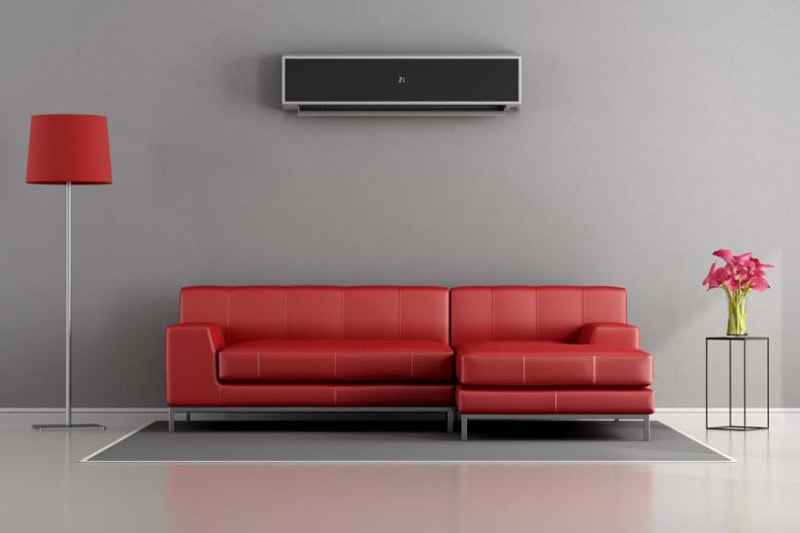
A ductless mini split is a heat pump system that heats and cools your home without ductwork. It has two main components: an outdoor compressor unit and one or more indoor air handlers mounted to walls throughout your Mahoning Valley, home.
The two are connected by a small conduit running through a 3-inch hole in the wall that carries the refrigerant lines, electrical wiring, and condensate drain. No major renovation is required.
Unlike a furnace that burns fuel to create heat, a mini split moves heat from one place to another using refrigerant. In the summer, it pulls heat out of your home and releases it outside.
In the winter, it reverses the process, extracting heat energy from the outdoor air and transferring it inside.
Yes, even cold air contains usable heat. Modern cold-climate mini splits can operate efficiently down to -13°F to -22°F, making them a genuine year-round solution for Ohio winters.
Inverter Technology and Why It Matters
Standard, single-stage HVAC systems run at full power until they reach your set temperature, then shut off completely, cycling on and off throughout the day. Mini splits use inverter-driven compressors that continuously adjust their speed to match exactly what is needed.
The result is more consistent temperatures, 30 to 50 percent less energy use, quieter operation, and significantly less wear on the system.
Mini Splits Save on Energy Costs
SEER2 (Seasonal Energy Efficiency Ratio 2) measures cooling efficiency, and HSPF (Heating Seasonal Performance Factor) measures heating efficiency. Standard central air conditioners run SEER 13 to 16, while most mini splits run SEER 18 to 30 or higher.
Ductless vs. Ducted Mini Splits
- Ductless: These systems use wall-mounted indoor air handling units to circulate conditioned air. One outdoor unit can serve multiple rooms in a multi-zone configuration, with each indoor unit controlled independently. This option works best for individual rooms, additions, garages, and homes without existing ductwork.
- Ducted: A compact air handler is hidden in the attic or crawlspace and connected to short ceiling duct runs. The system is completely invisible from inside the home. This option works best for whole-home solutions or installations where aesthetics require hidden equipment.
A note on sizing: A unit that is too small cannot keep up with demand. One that is too large will short-cycle without properly dehumidifying the air, leaving you feeling uncomfortable even when the thermostat reads the right temperature.
Our technicians at Wm. Price Heating and Cooling understand that proper sizing requires a professional load calculation, not just a square footage estimate.
Why Professional Installation Is Essential
Mini splits are available online and at big-box stores, and some homeowners are tempted to tackle installation themselves. Here is why that is a costly mistake.
Refrigerant Handling Requires EPA Certification
Refrigerant is federally regulated under Section 608 of the Clean Air Act. Only EPA Section 608 certified technicians can legally purchase and handle refrigerant. Improper handling is illegal, environmentally harmful, and can result in significant fines.
The Problems With Ductless Mini Split Kits
Some DIY mini split kits advertise pre-charged line sets as a way around the refrigerant certification requirement. This is misleading.
Pre-charged line sets still require proper evacuation before the system can operate. That process requires a vacuum pump and a micron gauge to remove all moisture and air from the lines. Without proper evacuation, contaminants enter the refrigerant circuit and cause long-term damage to the compressor.
There is another significant drawback: pre-charged line sets cannot be cut to length. Unless the installation requires the exact length included in the kit, the excess must be coiled. Coiled line sets are unsightly and, more importantly, they risk kinking the lines and creating oil traps that starve the compressor of lubrication over time.
Electrical Work Must Be Done to Code
Mini splits require a dedicated 240V circuit sized correctly for the specific unit being installed. Incorrect wiring is a fire hazard, will fail inspection, and voids your equipment warranty. In most jurisdictions, including Mahoning Valley, and the rest of our service area, this work must be performed by a licensed contractor.
Improper Installation Voids Your Warranty
Nearly every major manufacturer requires professional installation by a licensed HVAC contractor to honor the equipment warranty. A DIY installation can void a warranty worth thousands of dollars from day one.
Beyond the legal requirement, refrigerant line sets must be cut to the correct length, properly flared, insulated, and supported. Errors in any of these steps cause long-term compressor damage that may not show up for months or years.
Maintenance: How to Keep It Running for 20 Years
Mini splits are among the most reliable HVAC systems on the market, but they are not maintenance-free. Neglect is the number one reason they fail early or perform poorly. Here is what needs to happen on a regular basis.
DIY Ductless Mini Split Maintenance Tasks
Clean the indoor air filter: Most filters slide out of the indoor air handling unit. Rinse clean under warm water, air dry, and snap back in. The whole process takes about five minutes. This step is crucial for your mini split’s performance. A clogged filter restricts airflow, causes ice to form on the evaporator coil, and forces the compressor to overwork.
Wipe down the indoor unit: Dust that builds up on the vents and housing gets drawn inside over time, coating the coil and fan blades. Left unchecked, it can promote mold growth that gets circulated into your living space.
Clear around the outdoor unit: The compressor needs unrestricted airflow to operate properly. Keep at least 18 to 24 inches of clearance on all sides and remove leaves, grass clippings, and debris from around the unit. During the winter, make sure snow and ice are not blocking the unit.
Flush the condensate drain line: As the indoor coil cools your air, it also removes moisture, which drains away through a small line. Algae buildup in that line can cause clogs. When it backs up, water overflows from the drain pan and can damage walls, ceilings, and flooring. Flushing the line every 3 to 6 months with diluted white vinegar keeps it clear.
Annual Professional Maintenance for Your Mini Split
An annual professional tune-up is what separates a 12-year system from a 20-year system. A thorough service from Wm. Price Heating and Cooling includes:
- Refrigerant level check: Low refrigerant indicates a leak that will eventually destroy the compressor if left unaddressed.
- Evaporator and condenser coil cleaning: Dirty coils reduce heat transfer efficiency and put unnecessary strain on the compressor.
- Electrical inspection: Our inspection covers capacitors, contactors, and wiring connections.
- Condensate system service: Includes full drain pan cleaning and line flush.
- Temperature differential testing: We measure system performance to help identify early warning signs.
- Full operational check through all modes: Cooling, heating, fan, and dehumidification.
Warning Signs That Your Mini Split Needs Immediate Attention
Do not ignore these issues! A small problem caught early is almost always a quick, affordable fix. Left alone, it can turn into a major repair:
- Ice forming on the indoor or outdoor unit
- Water dripping or leaking from the indoor unit
- Grinding, rattling, squealing, or hissing sounds
- Musty, moldy, or burning smells from the indoor unit
- A sudden, unexplained increase in your electric bill
- The system is running constantly without reaching your set temperature
- Warm air blowing when the system should be cooling, or vice versa
Bottom line: a service call today costs far less than a compressor replacement next month. Most major failures are preventable with routine maintenance.
Is a Mini Split Right for Your Home?
A mini split is likely a great fit if any of the following apply to you:
- You have a room that is always too hot or too cold.
- You are adding square footage, such as a finished basement, sunroom, or garage.
- Your home does not have existing ductwork.
- You want to reduce your heating and cooling costs.
- You want independent temperature control in different rooms.
- You need a single system that heats and cools year-round.
Wm. Price Heating and Cooling can install, repair, or maintain your mini split in Mahoning Valley, and all the surrounding areas. Call us at 330.545.3722 or request service online to begin your ductless journey!